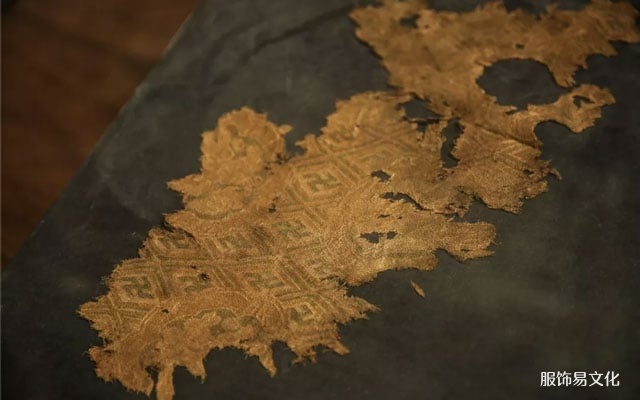
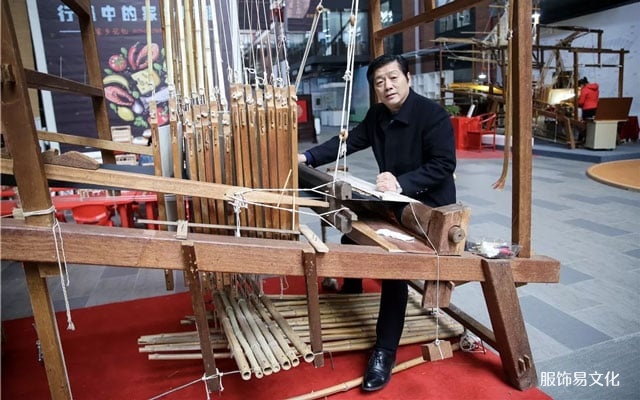
In the 13th year of the Eastern Jin Dynasty (417), the court set up a brocade office near the banks of the Qinhuai River, marking the official birth of cloud brocade. In this way, the silk weaving industry in Nanjing has a history of 1600 years.
In the Yuan Dynasty, the Mongolians were very interested in gold-decorated fabrics and they used real gold to decorate official clothes, making the "gold woven with silver" cloud brocade stand out.
Kublai, the founder of the Yuan Dynasty, set up the "East and West Weaving and Dyeing Bureau" in Nanjing, which specialized in weaving satin and silk for the royal family and the officials of the Yuan Dynasty.
标注 (0)
The Ming and Qing dynasties inherited the traditions of the Yuan dynasty and established government-run weaving institutions in Nanjing.
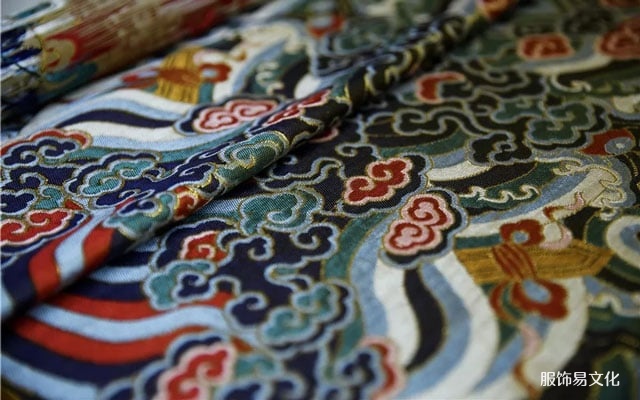
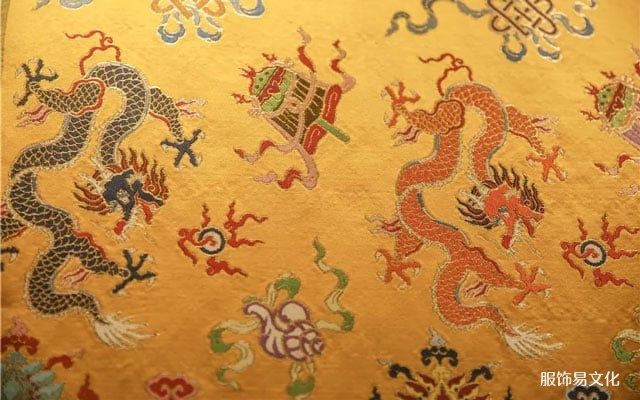
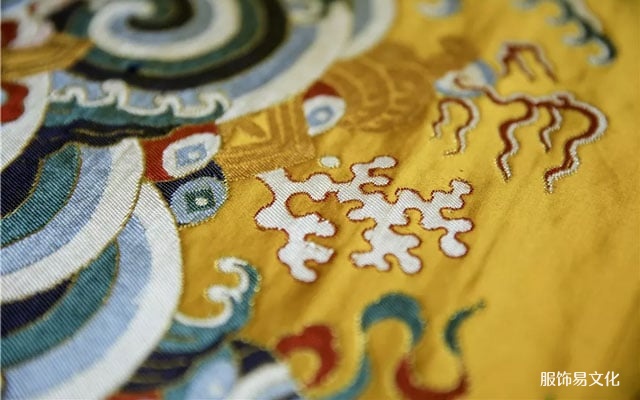
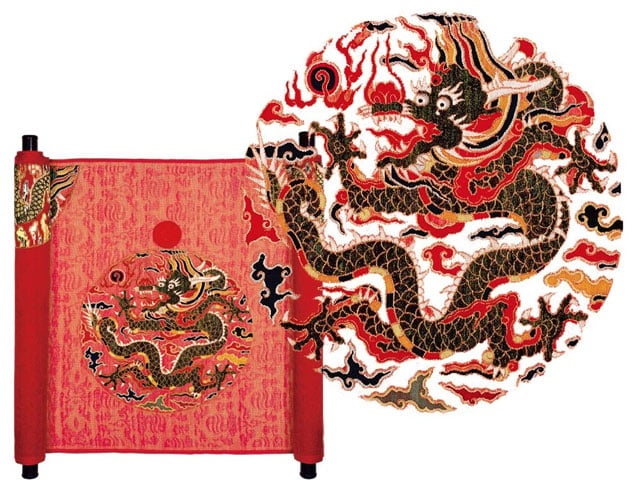
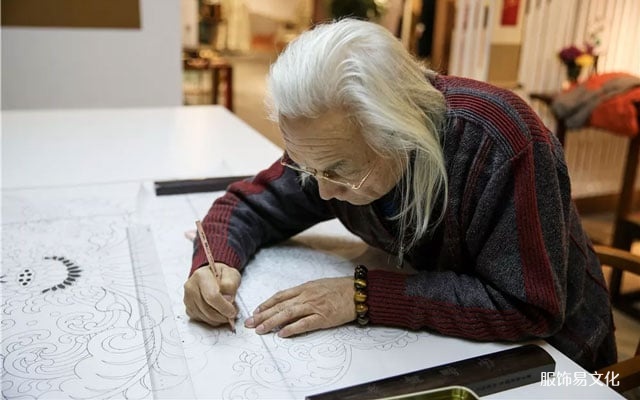
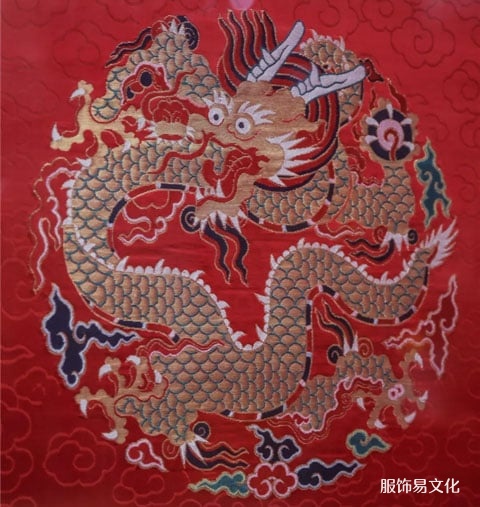
In the skills, the Ming dynasty developed the "Zhuanghua (妆花)" weaving techniques, and will be used to yarn, Luo (罗), Chou (绸), Juan (绢), Rong (绒) and other different textures of fabrics. The emperor a dragon robe, the basic time to spend two years.
标注 (0)
In the Qing dynasty, the Nanjing cloud brocade industry developed to the peak, the government set up in Nanjing Jiangning weaving bureau, the focus of weaving is basically high-grade fabrics, is the main weaving department of the imperial satin.
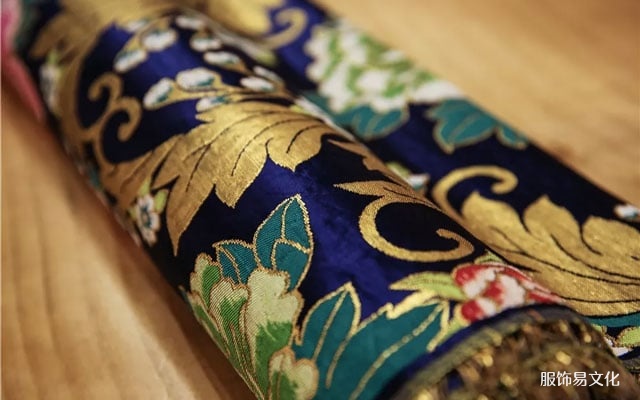
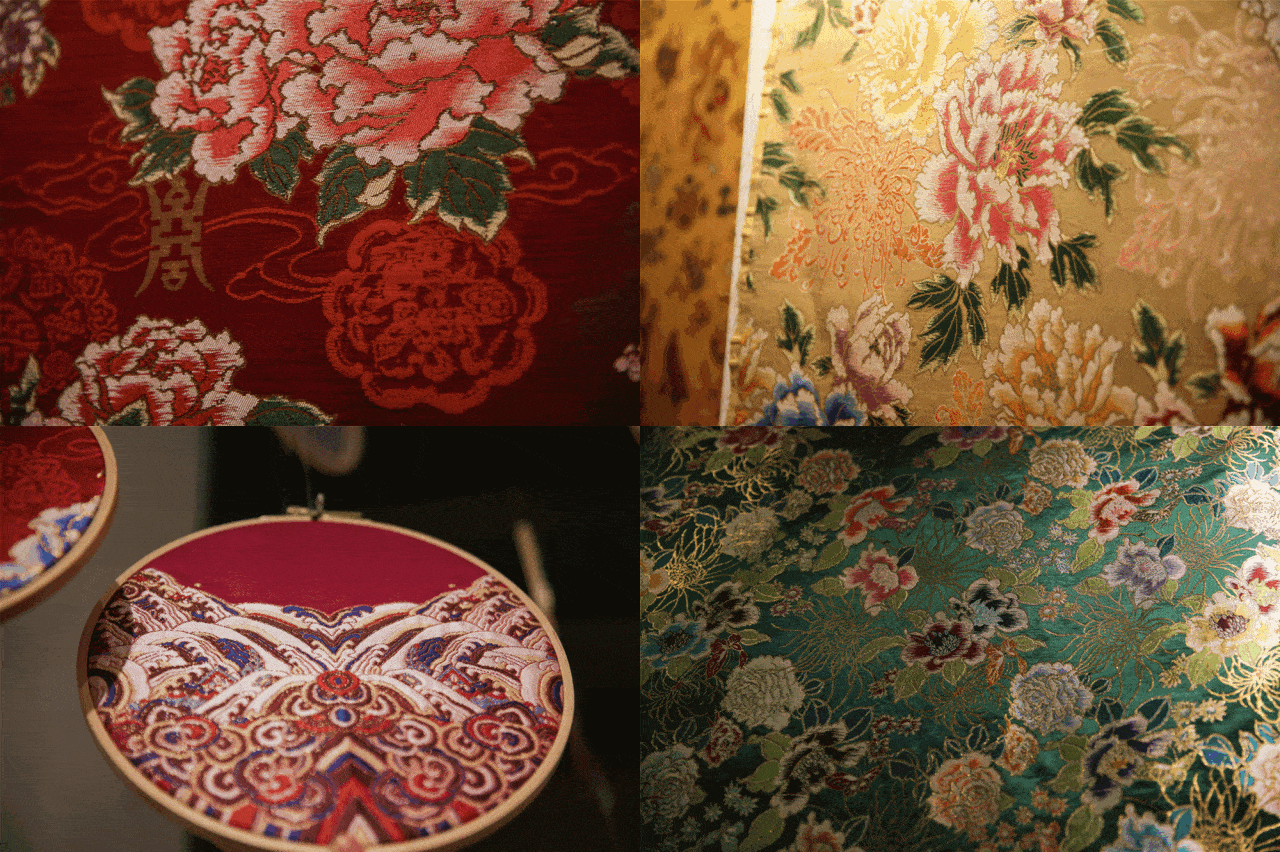
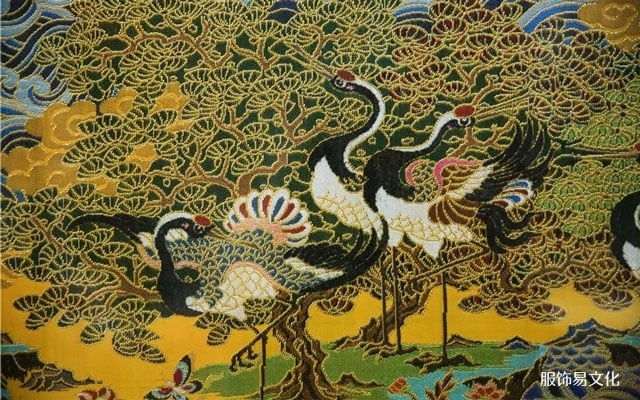
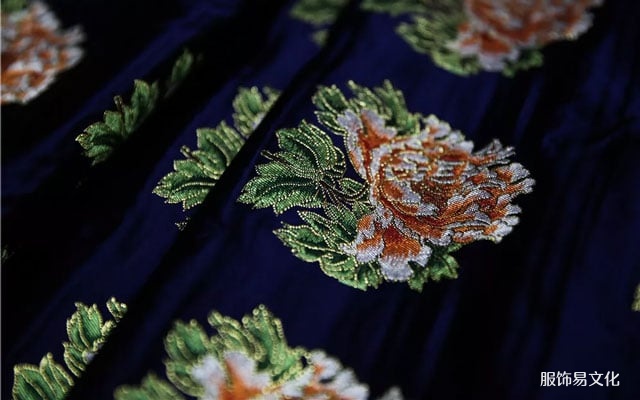
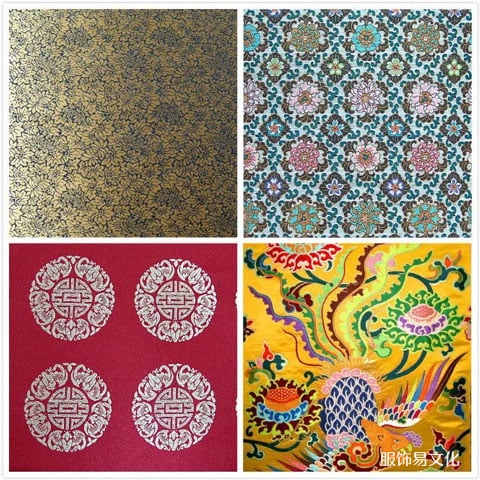
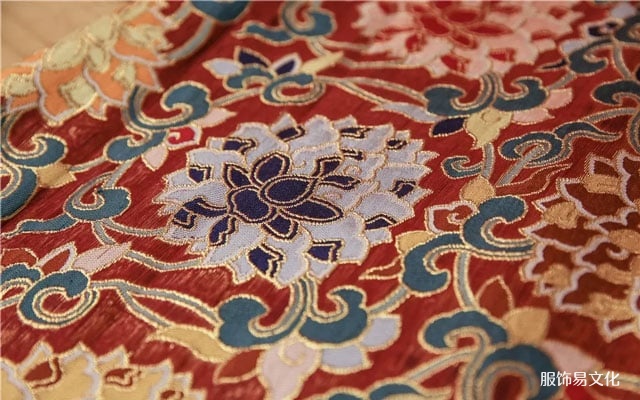
标注 (0)标注 (0)与此同时,私营织造业也没有闲着。据了解,丝织业兴盛时,南京有30万多人从事丝绸相关产业,每年生产锦缎数百万件,创造了当时南京最大的手工业。南京云锦又名“天衣”,是为皇帝、皇后、皇室所制,天然带有鲜明的宫廷文化印记。图案布局饱满丰富,大块的黄、红、蓝相互碰撞,呈现出绚丽的金色。标注 (0)标注 (0)标注 (0)








暂无评论,快来发表第一条评论吧!